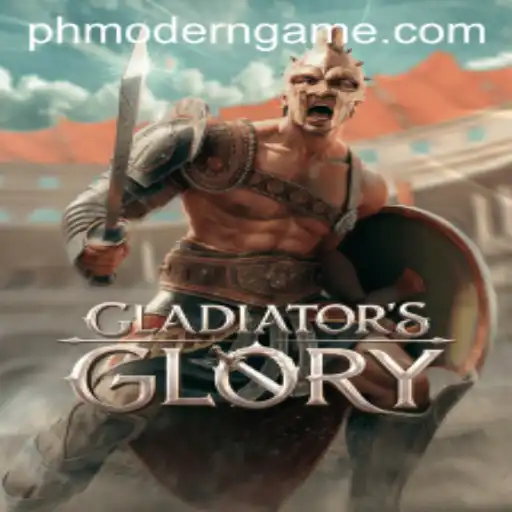
GladiatorsGlory: A Modern Twist on Ancient Battles
Explore the captivating world of GladiatorsGlory, a dynamic game that brings historical battles into the modern age with innovative gameplay.


The concept of monopoly has always been fundamental in the discussions of economic theories and market dynamics. In the landscape of capitalism, monopolies represent a unique anomaly where a single entity wields significant control over a particular market or sector. This article delves into the various aspects of monopoly, with a focus on the relevance and impact of monolithic market players in modern economic contexts, often referred to as PHMODERN.
At its core, a monopoly exists when a specific person or enterprise is the only supplier of a particular commodity, good, or service. In such scenarios, the monopoly dictates the terms, prices, and availability of the commodity without any significant competition. This dominance halts the economic principle of free competition where multiple players innovate and compete on pricing and quality.
The primary characteristic of a monopoly is the absence of competitors. When a company, under the PHMODERN ethos, operates as a monopoly, it often means they have achieved such supremacy through technological advantages, control of resources, mergers, or legal barriers erected to impede new entrants.
Another sign is price setting — monopolists can single-handedly influence the pricing structure of a particular sector. Without competitors to offer alternatives, consumers are left with no choice but to accept the set prices.
Numerous factors can lead to the creation of monopolies. Among the most notable are:
While monopolies can lead to significant economic disadvantages, understanding them within the framework of PHMODERN economics is essential. They influence markets in several ways:
Efficiency Losses: Economists often argue that monopolies lead to allocative inefficiency because they produce less and charge more than firms in a competitive market. This inefficiency results in a welfare loss to society.
Innovation Stagnation: Without the pressure of competition, monopolies might have little incentive to innovate or improve their products. This stagnation could lead to decreased overall economic growth.
The PHMODERN economy has seen the rise of digital monopolies. Tech giants like Google, Amazon, and Meta are often scrutinized for their monopolistic tendencies. These companies leverage network effects, data control, and algorithm superiority to maintain their dominance.
Such positions allow them to dictate market terms, and often regulatory bodies worldwide find it challenging to curb their influence or regulate them effectively. The digital monopoly issue is complex because the very attributes that make these firms successful—vast data troves, intricate algorithms, extensive networks—are also their strongest competitive moats.
Efforts by governments to regulate monopolies have varied across history. In the context of PHMODERN monopolies, these interventions can take the form of antitrust lawsuits, breaking up companies, price controls, and promoting competition through regulation. Notable historical examples include the US government's antitrust actions against AT&T and the Microsoft antitrust case in the 1990s.
Modern regulation faces challenges in keeping pace with the rapidly evolving technological landscape. Regulators and policymakers must balance promoting innovation and protecting consumers from monopolistic practices.
With the PHMODERN industrial framework continuing to evolve, it's imperative to consider how monopolies will shape future economies. Emerging technologies like artificial intelligence and blockchain are changing how markets operate, potentially breaking traditional monopolies while giving rise to new forms.
Fiscal policies, international trade agreements, and technological advancements will collectively dictate how the balance between competition and monopoly shifts in future economies. Stakeholders, including governments, corporations, and consumer groups, must engage in cooperative dialogues to foster ethical business practices that guard against the negative impacts of monopolies.
In conclusion, understanding monopolies within the PHMODERN context is essential for navigating current economic challenges and fostering competitive markets.

If you're looking for a reliable, fully licensed, and secure sportsbook with a wide selection of games, PHMODERN is the perfect choice. We're committed to providing you with the best online betting experience, with premium quality, excellent service, and continuous innovation. Sign up now and receive ₱777 for free!
Join now
Get the latest information, experience and betting strategies from the expert team at PHMODERN.
Explore the captivating world of GladiatorsGlory, a dynamic game that brings historical battles into the modern age with innovative gameplay.

Explore InnerFire, a groundbreaking game that combines innovation, strategy, and creativity, set in a world profoundly influenced by current events and modern paradigms.

Dive deep into MrMiser, an innovative game combining strategy and modern themes, redefining player engagement in a world striving for balance.

Explore the excitement of PenaltyShootOut, a game that has captured the hearts of players worldwide with its engaging mechanics and modern twists.

Explore the thrilling dynamics of the game LuckyBoxes and understand how its unique format aligns with current trends in modern gaming.
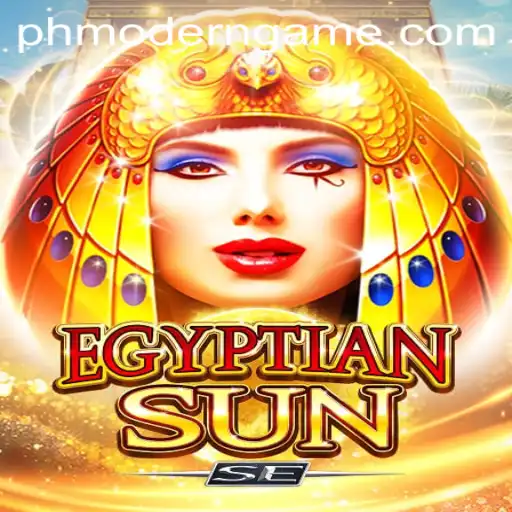
Uncover the secrets of EgyptianSunSE, a revolutionary game intertwining ancient Egyptian mythology with cutting-edge gameplay.
 Join now